You know exactly who I'm talking about.
The one who asks "But why?" in every meeting. Who pushes back on new initiatives. Who says "We've always done it this way" like it's scripture.
My client is starting a new role this week knowing he has one on his team. His question: "How do I handle the person everyone warned me about?"
Here's what I told him and what my years as a PM taught me about change management:
Resistors aren't obstacles. They're smoke detectors.
When someone resists change, they're not trying to sabotage you. They're telling you something's on fire—usually their sense of security, understanding, or value.
The Mistake Everyone Makes
We treat resistance like rebellion that needs to be crushed.
I watched a director once try to "overcome" resistance by mandating compliance. The project failed spectacularly. Not because the resistors won, but because he never understood what they were actually resisting.
During my PM days, I lived by Prosci's change management framework. One principle stuck with me: Resistance is engagement in disguise.
Think about it. The people who resist care enough to push back. The dangerous ones? They're the silent ones who nod along then do nothing.
Why People Really Resist (It's Not What You Think)
After managing dozens of change initiatives, I've found resistance usually comes from three places:
1. Lack of Awareness
"Nobody told me WHY we're doing this."
I once led a system migration where half the team resisted until I realized—we'd explained the HOW but never the WHY. One town hall explaining how the old system was costing us and how the new system would make their day-to-day jobs more efficient? Resistance disappeared.
2. Fear of Personal Impact
"Will I still have a job?"
During a restructure, our biggest resistor became our biggest champion after one conversation where I showed him how his role would actually expand, not disappear.
3. Past Wounds
"We tried this before and it failed."
Sometimes resistance is just scar tissue from previous badly managed changes. These people need proof, not promises.
The Framework That Actually Works
Here's how I coach leaders to turn resistors into allies:
Meet Them Where They Are
Stop treating your team like an immovable rock. I learned this the hard way when I tried to motivate everyone with the same "embrace change" speech.
-
Sarah needed data and logic
-
Marcus needed to see quick wins
-
Jennifer needed to know her expertise still mattered
-
David needed to be part of planning
One-size-fits-all change management fits no one.
Address the Root, Not the Resistance
When someone says "This won't work," what they're really saying is:
-
"I don't understand this"
-
"I'm scared I'll fail"
-
"I don't trust this will last"
-
"I feel excluded from the decision"
Address the fear, not the statement.
Make Them Part of the Solution
My client with the "problem" team member? I told him to meet this person where they are, understand them and they may become your change advisor. Give them a voice in shaping the change, not just receiving it.
The biggest resistors often become the strongest advocates—once they feel heard.
Your Resistor Playbook
Next time you face resistance, try this:
1. Listen First, Solve Second
"Help me understand your concerns" beats "Let me explain why you're wrong" every time.
2. Find Your Champions in Disguise
Your most vocal resistor might be your most passionate employee. They care enough to fight. Channel that energy.
3. Create Safety
People resist when they feel threatened. Show them how they win in the new world.
4. Go Slow to Go Fast
Taking time to address resistance early saves months of passive sabotage later.
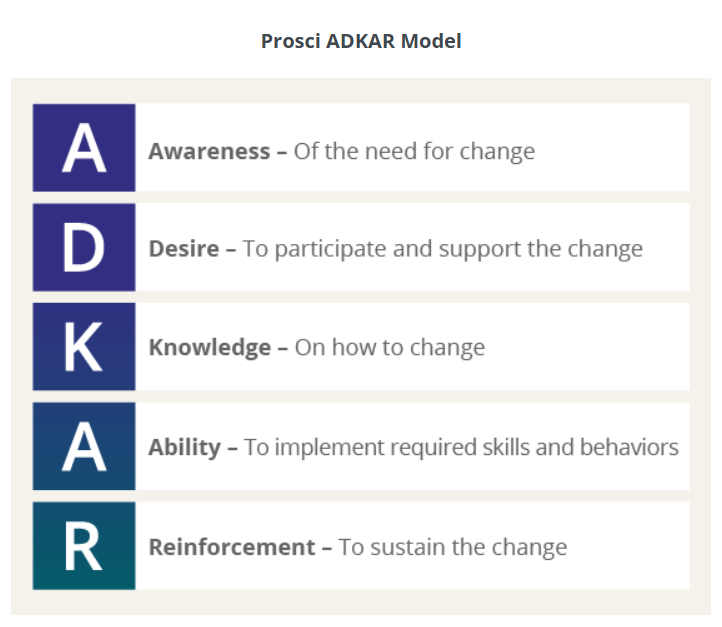
To understand how true Change Management works, the Prosci ADKAR Model has been an amazing tool in driving change. It takes the INDIVIDUAL through each of the steps of change that are crucial to driving successful change no matter how big or small.
The Plot Twist
That "problem" team member who was resisting our project?
Two weeks after addressing his concerns, they were one of the biggest assets. Turns out they weren't resistant to change—they were resistant to bad change management. Once they were involved in planning, they became the change champion for the entire team.
Because here's what I've learned after years of managing change:
The person brave enough to voice resistance is often the one honest enough to help you succeed.
Your resistors aren't your enemies. They're your early warning system. They're showing you where your change plan has gaps. Where your communication missed. Where fear lives in your organization.
Stop trying to overcome resistance. Start trying to understand it.
Because every "We've always done it this way" is really asking "Can you show me a better way?"
And that's a question worth answering.
Coming up next week: How to build your 2026 promotion case and prep for performance reviews (starting now, not in June when it's too late).
P.S. - Leading change isn't about getting everyone to agree. It's about getting everyone to understand. There's a difference, and it matters.
💛 Ready to become the leader who turns resistance into results? Hit reply and let's talk.
💛 Let’s Rise Together,
Alyssa
To catch up on past newsletters, you can find those here.





Responses